FASTEST NEWS CHANNEL

The Cultural Heritage of Dogra Dhamm: A Journey Through Tradition
Community meal
LITERATURE
Dr Rakesh Verma
7/27/20268 min read
Introduction to Dogra Dhamm
Dogra Dhamm is a deeply rooted tradition within the Dogra culture, primarily found in the region of Jammu. This communal meal, characterized by its unique preparation and collective enjoyment, embodies the spirit of unity and togetherness that is fundamental to Dogra society. The significance of Dogra Dhamm extends beyond just the act of sharing a meal; it serves as a cultural ritual that reinforces bonds among community members while bringing together individuals from various walks of life.
This tradition highlights the essence of inclusivity, as it is not restricted by caste, creed, or social status. Instead, Dogra Dhamm invites participation from everyone, reflecting a commitment to harmony and collective identity. As participants gather, they engage not only in the enjoyment of food but also in stories, laughter, and the celebration of shared heritage. The act of partaking in this meal fosters a sense of belonging, encouraging individuals to connect with one another and to appreciate the diverse tapestry of cultures represented within the Dogra community.
Additionally, the preparation of the meal itself is often seen as a labor of love, involving collaborative efforts from family and friends. The dishes served during Dogra Dhamm highlight local ingredients and traditional cooking methods, showcasing the region's rich culinary heritage. This emphasis on local resources further strengthens the connection between the people's identity and their environment. As such, Dogra Dhamm is not merely a practice of nourishment; it is a celebration of cultural legacy, a symbol of unity, and a reminder of the enduring values that bind the Dogra people together.
Historical Significance of Dhamm in Dogra Culture
The Dogra Dhamm, steeped in rich historical significance, serves as a cultural cornerstone in the Dogra region of India. Its origins can be traced back to ancient traditions that emphasize communal harmony and social cohesion. The practice of Dhamm revolves around the sharing of meals, primarily observed during festivals, ceremonies, or community events, symbolizing togetherness and collective identity.
Historically, gatherings for communal meals held substantial importance in rural Dogra society, where food was a central element in fostering relationships and strengthening community ties. As agriculture and pastoralism were the primary livelihoods, these meals played a crucial role in sustaining communal bonds among the diverse social groups, encouraging cooperation and support during seasonal cycles.
Over the centuries, the Dogra Dhamm evolved, influenced by various cultural, religious, and social dynamics in the region. The influx of different communities and their beliefs, from Hinduism to Buddhism, contributed to the practice's enriched diversity. Notably, during the Dogra rule in Jammu and Kashmir, the significance of communal meals was further underscored by royal patronage which often linked these events with the celebration of festivals such as Lohri and Baisakhi.
Moreover, important milestones in the history of Dogra Dhamm include the organization of large-scale communal feasts, which were not only expressions of generosity but also displays of cultural heritage that emphasized shared values. These events reinforced the notion of unity among the various ethnic and social groups inhabiting the region, allowing for a dynamic interchange of traditions and practices.
In recent years, the resurgence of interest in preserving cultural identity has renewed the focus on Dhamm, highlighting its role in fostering inter-community dialogue and mutual respect. Overall, the historical significance of Dhamm in Dogra culture illustrates a vibrant tapestry of shared experiences and collective resilience that continues to shape the region's social fabric today.
The Role of Young Boys in the Preparation of Dhamm
The preparation of Dogra Dhamm is not merely a culinary task; it reflects a time-honored cultural practice that involves the active participation of community members, especially young boys. These young boys play a crucial role in the preparation and serving of this traditional feast, which is intrinsic to Dogra culture. Their involvement is essential, as it fosters a sense of responsibility, community bonding, and respect for the rich traditions surrounding the Dhamm.
One of the primary duties assigned to these young boys is the gathering of firewood. This task, although seemingly simple, is significant, as it symbolizes their connection to nature and the communal aspect of preparing for the Dhamm. The boys are taught how to select appropriate wood, ensuring that the fire that cooks the meal is consistent and effective. This practical knowledge passed down from elders not only prepares them for future ceremonies but also deepens their understanding of their cultural heritage.
In addition to gathering firewood, young boys are actively involved in the cooking process. Under the guidance and supervision of the elders, they learn the traditional recipes and cooking techniques that have been preserved through generations. This mentorship is vital, as it instills not only culinary skills but also an appreciation for the importance of each ingredient and the stories woven into the preparation of Dogra Dhamm. Moreover, boys learn how to work effectively as a team, demonstrating unity and cooperation, which are essential values in Dogra culture.
Once the meal is prepared, young boys take on the responsibilities of serving the Dhamm. This task requires organization and a keen sense of hospitality, ensuring that everyone participating in the feast receives their share. Through these experiences, the young boys not only contribute to the success of the celebration but also embody the spirit of community participation that is central to the Dogra tradition.
Tradition of Eating with Hands: A Closer Look
The practice of eating with hands is a significant aspect of cultural heritage, particularly within the Dogra Dhamm tradition. This method of consumption is not merely a means to nourish the body; it embodies a deeper connection to culinary practices, heritage, and community. Eating with one's hands encourages a more intimate relationship with the food, as it involves engaging multiple senses—sight, smell, and touch—thereby enhancing the entire dining experience. The tactile sensations associated with hand-eating allow individuals to appreciate textures and temperatures, emphasizing the importance of these elements in traditional Dogra cuisine.
In contrast to the modern practices prevalent in many parts of the world, which often involve utensils, the tradition of eating with hands invites individuals to slow down and be present during meals. It fosters a sense of mindfulness, as people are encouraged to savor each bite, reflecting on flavors and the effort that went into preparing the dish. Furthermore, this practice promotes communal bonding; shared meals eaten with hands often lead to a more engaging and intimate atmosphere among family and friends.
The significance of eating with hands extends beyond personal enjoyment; it also serves as a conduit for cultural identity. In the Dogra community, grain offerings and traditional dishes are typically served on large platters, facilitating communal sharing and reinforcing social ties. This tradition often stands in stark contrast to the individualistic nature of modern dining etiquette, which can sometimes hinder social connections. Thus, while utensils may provide convenience, they can also create barriers to the sensory and emotional experiences that accompany eating. Understanding the importance of hand-eating within the Dogra Dhamm tradition highlights the enduring values of connection and cultural significance embedded in this age-old practice.
Sustainable Practices: The Use of Biodegradable Plates
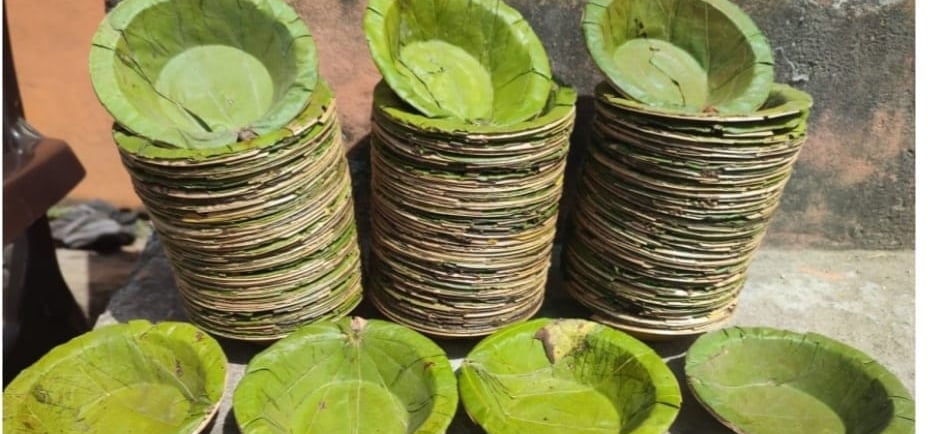
The cultural heritage of Dogra Dhamm is not solely defined by its rich traditions and rituals; it also encompasses sustainable practices that reflect the community's profound respect for the environment. A notable representation of such practices is the use of biodegradable plates, commonly made from leaves, which have been traditionarily employed during communal meals and religious ceremonies.
These leaf plates are crafted using natural materials, typically sourced from local trees. Their production process is not only labor-intensive but also environmentally friendly, as it avoids the use of harsh chemicals often associated with modern manufacturing. In contrast to conventional plastic or Styrofoam tableware, which contributes significantly to pollution and landfill issues, biodegradable plates decompose naturally, thereby minimizing ecological footprints and promoting sustainability.
The ecological benefits of using biodegradable plates are manifold. Firstly, they help in reducing waste accumulation, as these plates break down within a short span, enriching the soil rather than posing long-term environmental hazards. Secondly, the use of biodegradable options aligns with the principles of zero waste, reflecting an intuitive understanding of resource conservation inherent in Dogra Dhamm's cultural practices. This not only safeguards the local environment but also sets a positive example for communities looking to adopt more sustainable habits.
By embracing the use of leaf plates, the Dogra Dhamm community combats the adverse effects of modern disposable tableware while promoting an ongoing commitment to preserve their natural surroundings. Additionally, this practice fosters community bonding, as members often come together to create these plates, further intertwining social and environmental sustainability. In conclusion, the integration of biodegradable plates within Dogra Dhamm's customs exemplifies a harmonious relationship between tradition and ecological consciousness, serving as a model for others to emulate in their pursuit of sustainable living.
The Shift to Buffet Systems: Changes in Community Meals
The transition from traditional Dogra Dhamm to modern buffet systems represents a significant shift in communal dining practices. Historically, Dhamm ingrained in Dogra culture is characterized by its communal gatherings, where food is served in a shared manner, emphasizing unity and collective participation. With the rise of buffet systems, however, these crucial aspects of communal meals have undergone noteworthy transformations.
Several factors have contributed to this shift from traditional methods to a more individualized dining format. One of the primary reasons is the increasing pace of modern life, which often leads to preferences for convenience and efficiency in meal service. Buffet systems allow individuals to serve themselves at their own pace, providing options that cater to diverse tastes and dietary preferences, thereby appealing to a broader audience. This flexibility, while practical, has also contributed to a decline in the communal spirit that Dhamm traditionally fostered.
Furthermore, the introduction of buffet systems has altered the way food is perceived and consumed within the community. In traditional Dhamm settings, meals are not merely about sustenance; they are cultural rituals that enhance social bonds among participants. The communal sharing of food plays a significant role in reinforcing the fabric of Dogra society. The buffet format, while facilitating easy access to varied dishes, diminishes the significance of these shared experiences, as individuals may eat in isolation rather than engaging in the collective sharing of meals.
As these buffet systems become more ingrained in contemporary practices, it raises questions about the preservation of Dogra cultural heritage. Will the communal aspect that defines Dhamm survive in its current form, or will it evolve further into an individualistic dining experience? Keeping the essence of Dogra traditions alive amidst these changes is imperative for maintaining the richness of its heritage.
Conclusion: Preserving Dogra Dhamm for Future Generations
The Dogra Dhamm tradition embodies a rich tapestry of cultural heritage that reflects the unique identity of the Dogra community. Throughout this exploration of Dogra Dhamm, we have highlighted its historical significance, the rituals associated with it, and the arts linked to this vibrant culture. Each element contributes to a collective narrative that has shaped the lives of Dogra people over generations.
In examining various aspects of Dogra Dhamm, it becomes evident that this tradition is not merely a relic of the past but an integral part of present-day identity. The rituals, festivals, and arts serve as conduits for cultural expression, fostering a sense of belonging and continuity within the community. Therefore, safeguarding Dogra Dhamm is crucial for both the preservation of individual heritage and the broader cultural landscape of India.
As the world increasingly embraces globalization, local traditions often face the risk of erosion or forgetting. It is imperative for community leaders, cultural organizations, and families to actively engage in reviving and maintaining these practices. Educational programs, cultural festivals, workshops, and collaborations can play a significant role in reinvigorating interest in Dogra Dhamm among younger generations. Through these initiatives, we can ensure that the essence and values intrinsic to Dogra Dhamm endure and thrive in an ever-evolving social context.
In summary, the preservation of Dogra Dhamm is not solely the responsibility of a few; it requires a collective effort from all members of society. By recognizing the importance of this tradition, we can foster a deeper appreciation for our diverse cultural heritages and create pathways for future generations to experience and celebrate the Dogra Dhamm way of life.