FASTEST NEWS CHANNEL

The Aroma of Celebration: Preparing Tehar Bappa in Ghee for Birthday Festivities in Kashmiri Hindu Families
Dr Sonia Verma
2/15/20265 min read

The Significance of Tehar Bappa (Yellow Rice) in Kashmiri Culture
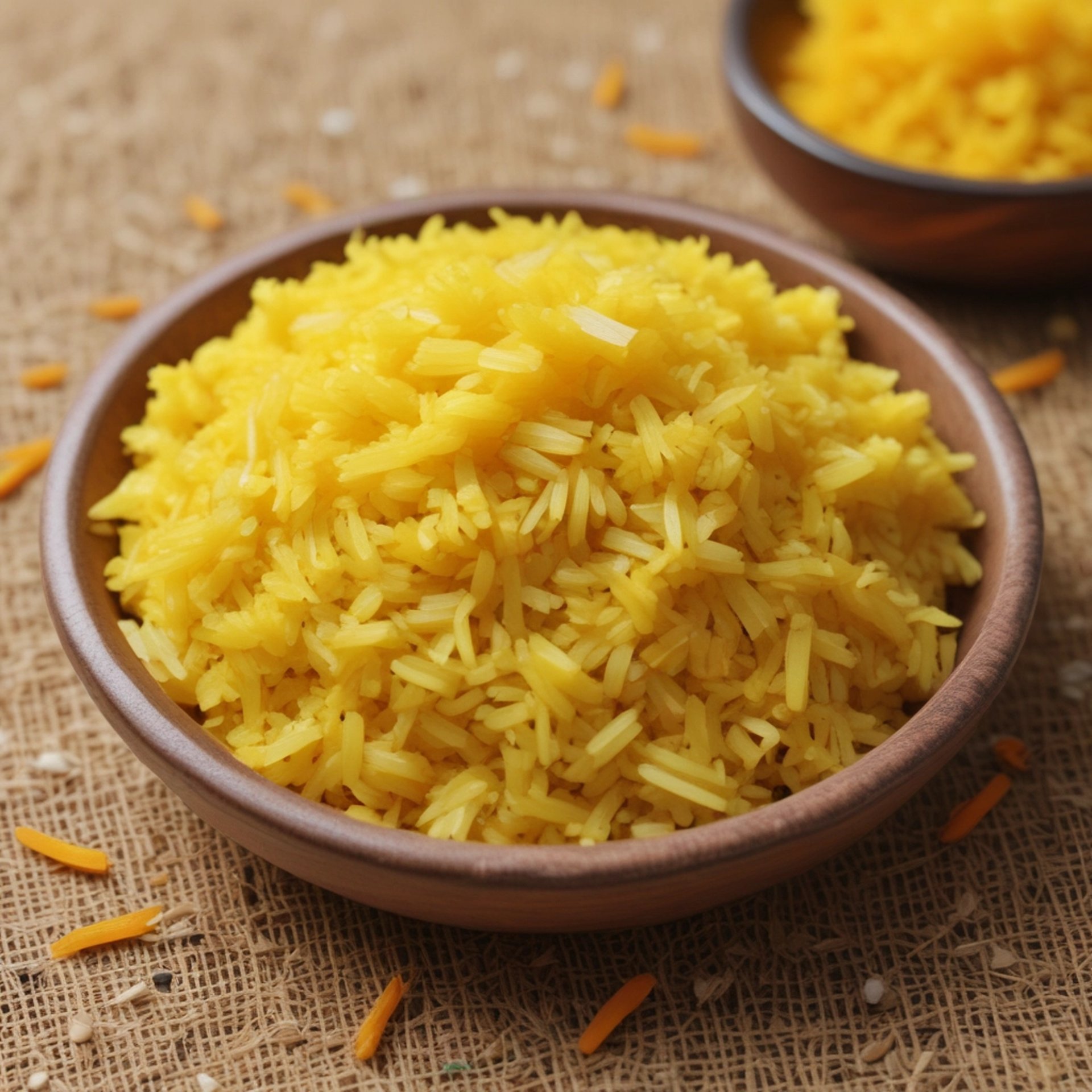
Yellow rice, commonly referred to as 'Zarda' in Kashmiri Hindu families, holds a significant role within the cultural and religious tapestry of Kashmir. This vibrant dish does not merely symbolize nourishment; it epitomizes a rich tradition steeped in communal values and joyful celebrations. The preparation and consumption of Zarda during festive occasions, particularly birthdays, is a testament to its importance in promoting joy and auspiciousness.
In the context of birthdays, yellow rice is often prepared with ghee, which enhances its flavor and richness. The bright yellow hue, typically achieved through the addition of saffron or turmeric, is associated with happiness, warmth, and prosperity. In many families, the act of preparing Zarda becomes a cherished ritual, allowing family members to participate in a communal experience that fosters unity and reinforces cultural bonds. The fragrance of ghee-soaked rice wafting through the household acts as an invitation, calling everyone to come together and partake in the celebration.
The religious significance of Zarda extends beyond the mere act of eating. It is often offered in spiritual prayers as a symbol of gratitude, signifying the blessings of abundance and joy bestowed upon the family. In this manner, Zarda embodies hope, prosperity, and the essence of divine blessings, marking the passage of another year in life’s journey. It also reflects the values of sharing and generosity, as families often prepare large quantities to serve invitingly to guests and relatives, cultivating a spirit of inclusiveness and hospitality.
In essence, the role of yellow rice in Kashmiri birthday celebrations highlights its cultural significance, serving as a reminder of the connections between family, tradition, and the divine, thus continuing to enrich the heritage of Kashmiri Hindu families across generations.
Ingredients and Preparation of Yellow Rice in Ghee
To prepare yellow rice in ghee, a cherished dish in Kashmiri Hindu celebrations, it is essential to select the right ingredients. The foundational element is the rice, ideally using Basmati rice due to its long grains and aromatic qualities. Approximately two cups of Basmati rice is recommended for serving four to six people. Soaking the rice in water for about 30 minutes before cooking aids in achieving a soft, fluffy texture.
Next, the use of quality ghee is paramount. Opt for pure, homemade or well-curated ghee, as this enhances both flavor and aroma. About four tablespoons of ghee are perfect for this dish. The spice blend adds depth and character to the yellow rice; include ingredients such as one teaspoon of turmeric, two to three crushed cardamom pods, a stick of cinnamon, and a few whole cloves. These spices not only impart a delightful fragrance but also contribute to the golden hue characteristic of this festive dish.
For the preparation, begin by rinsing the soaked rice under cold water until the water runs clear to remove excess starch. In a heavy-bottomed pot, heat the ghee on medium flame, then add the whole spices (cardamom, cinnamon, cloves) and sauté for a minute until aromatic. Follow by adding the soaked rice, turmeric, and salt to taste. Gently stir to coat the rice with the ghee and spices. Next, pour in four cups of water and allow it to come to a boil.
Once boiling, reduce the heat to low, cover the pot with a lid, and let it simmer for about 15-20 minutes or until the rice absorbs the water and is tender. Turn off the heat and let it rest for another five minutes. Fluff the rice with a fork before serving. This careful methodology ensures that the yellow rice in ghee is perfectly seasoned, with each grain well-cooked, making it a splendid addition to birthday festivities.
Distribution and Sharing: A Symbol of Generosity
In Kashmiri Hindu households, the act of sharing yellow rice prepared in ghee during birthday celebrations serves as a vital expression of community spirit. This traditional dish, often adorned with an array of spices and flavors, is much more than just a meal; it is a symbol of generosity and kinship. As family members and friends gather to celebrate, the distribution of yellow rice signifies both abundance and gratitude, reinforcing bonds that are integral to the familial structure.
The serving of this fragrant dish becomes a ritual that reflects the values deeply rooted in the culture. It is not uncommon for the host to ensure that every guest receives a generous helping of yellow rice, often accompanied by various side dishes. This communal experience fosters a sense of belonging and shared joy, integral to the celebration. Each scoop of rice represents the warmth of hospitality, where family and friends partake in the blessings of the day together, creating lasting memories around the dining table.
Moreover, the way yellow rice is distributed during the festivities underscores the importance of inclusivity among family members. Elders are often served first, respecting cultural norms, followed by younger generations, ensuring everyone feels valued. This practice not only strengthens familial ties but also passes down traditions to the next generation, emphasizing respect and love within the family structure.
The act of sharing this delectable dish also extends beyond immediate family; it invites friends and community members to partake in the celebrations, thus broadening the circle of generosity. Local customs may involve distributing leftovers or extra portions to neighbors, embodying the spirit of sharing that marks Kashmiri celebrations. Through this collective experience, the values of generosity, unity, and joy are amplified, making each birthday even more special.
Historical Roots of Yellow Rice in Kashmir
The culinary heritage of Kashmir is deeply intertwined with its agrarian culture, where the fertile valleys provide a nurturing environment for rice cultivation. Yellow rice, known as "zamin dar" or "yemberzal", has ancient roots in this region, dating back several centuries. Originally, the dish was prepared primarily for significant celebrations and religious ceremonies, denoting its integral role in Kashmiri Hindu traditions.
The origin of yellow rice can be traced back to the use of saffron, a prized spice grown in the region’s climate. The vibrant color of the rice not only adds visual appeal but also infuses it with a distinctive flavor, elevating the dish beyond mere sustenance to a culinary centerpiece. Historical references suggest that yellow rice was often served during important life events such as weddings, festivals, and other gatherings, reinforcing its position as a symbol of richness and joy within the community.
Over time, the preparation methods and accompanying ingredients of yellow rice have evolved, influenced by various cultures due to Kashmir's strategic location on ancient trade routes. Interactions with Persian, Central Asian, and Mughal culinary traditions have introduced new techniques and flavors, leading to variations in the basic recipe. While some adaptations include the use of nuts and dried fruits, the essential saffron and ghee remain constants, maintaining the dish's authenticity and cultural significance.
Even as modern lifestyles transform culinary practices, yellow rice continues to hold a place of honor in Kashmiri Hindu ceremonies. It serves not only as a dish to commemorate special occasions but also acts as a reminder of the rich heritage and agricultural vitality of the Valley. The resilience of yellow rice as a beloved dish underscores its importance and enduring presence within the fabric of Kashmiri society.
L